

A career pathing framework helps organizations map how employees grow across roles, skills, and career paths while aligning development with business goals.
Without a clear framework, employees lack direction, managers lack visibility, and organizations struggle with retention and internal mobility. Structured career pathing improves engagement by making growth transparent.
A strong framework enables organizations to define clear roles and progression paths, map skills to career opportunities, support internal mobility and succession planning, and align workforce development with business goals.
In this guide, you’ll learn a practical, step-by-step career pathing framework to build transparent growth paths, close skill gaps, and develop future-ready teams.
What is a career pathing framework?
A career pathing framework is a structured roadmap that helps employees navigate their career within the organization. It outlines clear, transparent steps employees can take to advance based on their goals, interests, and skills, all while staying aligned with the business objectives.
Why does it matter?
- Employees stay longer when they see growth opportunities.
- Leaders can identify & nurture future-ready talent.
- Organizations reduce hiring costs by promoting internally.
Companies with structured career pathing see 34% higher retention rates. (LinkedIn Workforce Learning Report)
Key Components of a Career Pathing Framework
- Job Architecture - Define job levels, roles, and career mobility within the organization.
- Career Pathways - Maps out vertical, lateral, and cross-functional growth opportunities
- Skill and Competency Mapping - Identifies the skills and competencies needed for each role and helps employees track their progress.
- Learning and Development - Personalized learning programs, like project-based learning, certification, and mentorships, to close skill gaps.
- Performance Metrics and Criteria – Set clear expectations and measurable benchmarks for each role to guide growth and promotion decisions.
Steps to Build a Career Pathing Framework
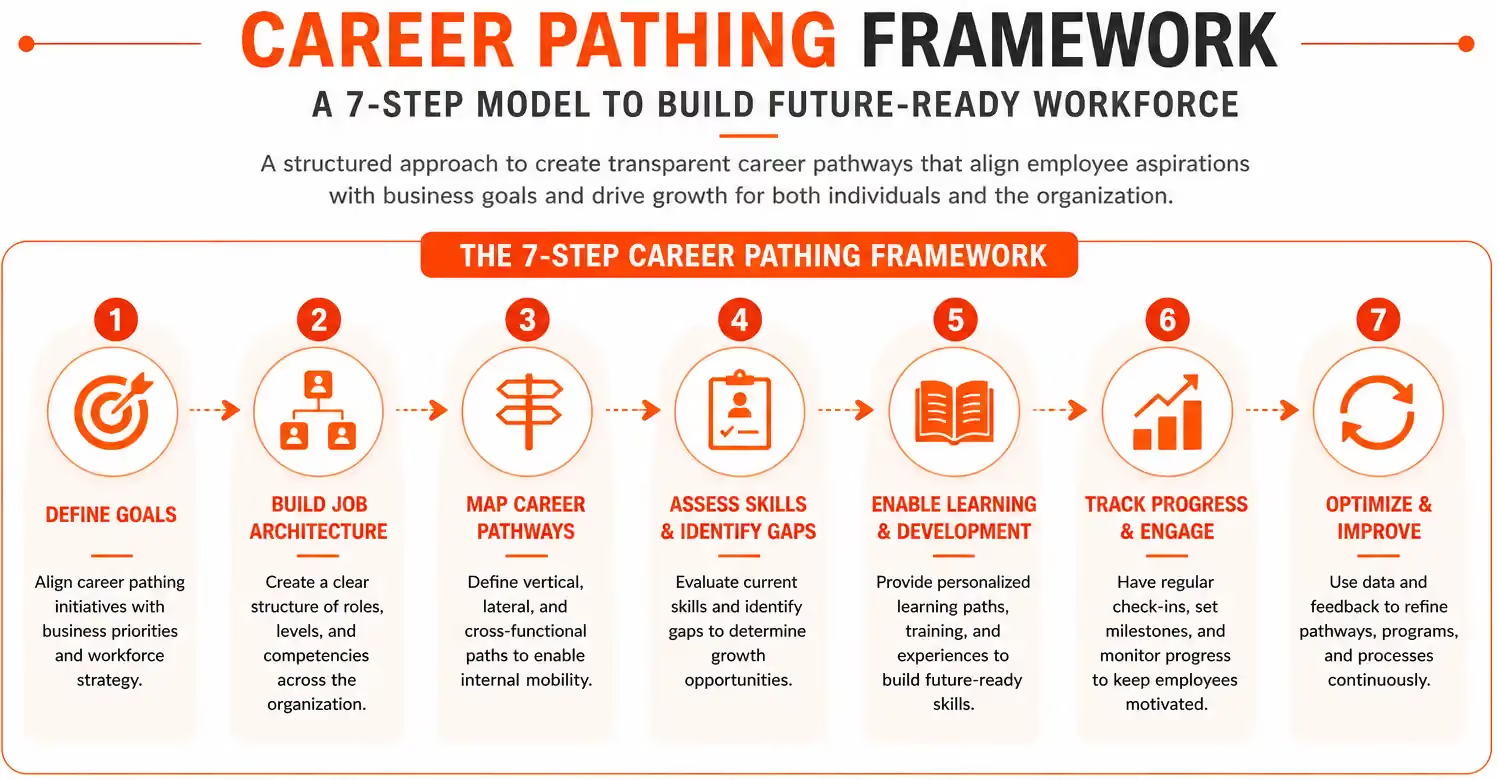
1. Define Organizational Goals
Align career development initiatives with business priorities such as building leadership pipelines, closing skill gaps, or reducing turnover. Clear goals ensure every path supports organizational growth.
Actionable Steps:
- Discover key business priorities that career paths should support
- Collaborate with leaders in the organization to align career paths with company objectives
- Establish clear KPIs like internal promotions, turnover reduction etc.
2. Create a Transparent Job Architecture
Employees should have visibility into available roles, responsibilities, and potential career moves.
Actionable Steps:
- Map all the job roles, responsibilities and levels (entry, mid, senior) in the company.
- Define progression criteria for each role.
- Highlight vertical and lateral career movements.
- Perform career mapping to align employee skills, goals, and aspirations with these roles and pathways.
3. Develop Personalized Career Pathways
Every employee has different career goals, interests, and skill sets - career pathing should be flexible.
Actionable Steps:
- Develop job-specific career tracks with detailed promotion and lateral movement steps.
- Provide choices for specialized expertise, cross-functional roles, and vertical growth.
- Involve employees in career path discussions to ensure they align with their aspirations.
Discover the top 10 career pathing software that supports each step of building a robust framework, ensuring your workforce is prepared for future challenges.
4. Assess Current Skills and Identify Gaps
Before employees can grow, they need to know where they stand today.
Actionable Steps:
- Use AI-powered skills assessments or self-assessment tools to measure competencies
- Compare current skills vs required skills for a given role.
- Create a skills gap report for individuals and teams to prioritize development.
5. Provide Personalized Learning & Development
No one-size-fits-all learning. Give employees access to relevant, targeted skill-building opportunities.
Actionable Steps:
- Offer role-based learning tracks (certifications, stretch assignments).
- Provide job shadowing opportunities, cross-functional projects, or stretch assignments.
- Encourage peer learning groups and mentorship programs to share learning experiences through collaborative growth.
6. Conduct Regular Career Check-ins
Career pathing isn’t a one-time activity. It’s a continuous conversation between employees and managers.
Actionable Steps:
- Schedule quarterly one-on-one career check-ins.
- Track progress against milestones . Adjust goals based on employee feedback & business needs.
Discover the top 12 Skills Tracking Software to track skills, identify gaps, and enhance career pathing for employee development.
7. Monitor, Evaluate and Optimize
To measure the success of career pathing, organizations must track key metrics and iterate based on insights.
Actionable Steps:
- Monitor metrics such as turnover, employee engagement, and internal promotion rates.
- Gather feedback via pulse surveys or focus groups and even exit interviews to understand what employees are going through.
- Refine the framework based on data insights and evolving business needs.
Benefits of Career Pathing Framework
- Higher Retention Rates : Employees stay when they see career growth. (34% increase per LinkedIn Learning)
- Better Succession Planning: Identifies high-potential employees early.
- Stronger Skill Development: Aligns learning programs with business-critical needs.
- More Engaged Workforce: Employees feel valued, motivated and productive
Discover 10 best career development tools that help build a scalable career pathing framework.
Conclusion
Career pathing is not just an HR function. It is a strategic business lever that drives retention, engagement, and long-term agility. A well-crafted framework connects employee aspirations with business goals, ensuring growth on both sides.
With the right tools such as AI-powered skills intelligence platforms, organizations can track skill progression, uncover talent gaps, and personalize development plans at scale.
At iMocha, we partner with global enterprises to build skills-first, future-ready workforces. If you are ready to rethink career growth, we are here to help.
Dive into the top 12 succession planning software that support structured career pathing and prepare internal talent for critical roles.
FAQs
What is a skills-based career pathing framework?
A skills-based career pathing framework focuses on employee capabilities rather than job titles. It allows flexible career movement based on skills, making it more adaptable to changing business needs.
What metrics should you track in a career pathing framework?
Key metrics include internal mobility rate, employee retention, promotion rates, skill development progress, and employee engagement scores. These help measure the effectiveness of the framework.
What are examples of career pathing frameworks?
Common examples include linear career ladders, dual career tracks (management vs specialist), and skills-based frameworks that allow lateral and cross-functional movement. Modern organizations increasingly use flexible, skills-driven models to support dynamic career growth.
How can organizations track progress in a career pathing framework?
Organizations can use performance assessments, skills evaluations, and regular career check-ins to track progress in a career pathing framework. Clear milestones and KPIs for employees' growth journey allow companies to monitor their progress over time.
What is the difference between a career progression framework and a career pathing framework?
A career progression framework focuses on performance expectations within a specific role and outlines what is needed to move to the next level. A career pathing framework is broader, showing multiple potential growth paths across or beyond roles based on skills, goals, and organizational needs. Both work together to support long-term employee development.

