

The job market is undergoing rapid change, with 39% of essential job skills expected to transform by 2030, creating a need for skills platforms that can adapt to workforce shifts.
Considering this, the adoption of skills-based hiring continues to rise. In 2026, almost 70% of employers are using these practices throughout their recruitment processes. It has also increased the need for a reliable tool or platform.
Tilr has established itself as a vital force in the skills intelligence domain, enabling organizations to assess workforce strengths, track employee competence, and streamline job transitions.
The transition of businesses toward skills-based hiring methods makes Tilr essential for Human Resource (HR) and Learning and Development (L&D) professionals who need to assess existing employee skills and identify missing competencies.
However, there are several Tilr competitors and alternatives that offer advanced features and options, effectively replacing this tool. Let’s explore the top 10 alternatives in this post.
Top 10 Best Tilr Alternatives & Competitors for 2026
1. iMocha
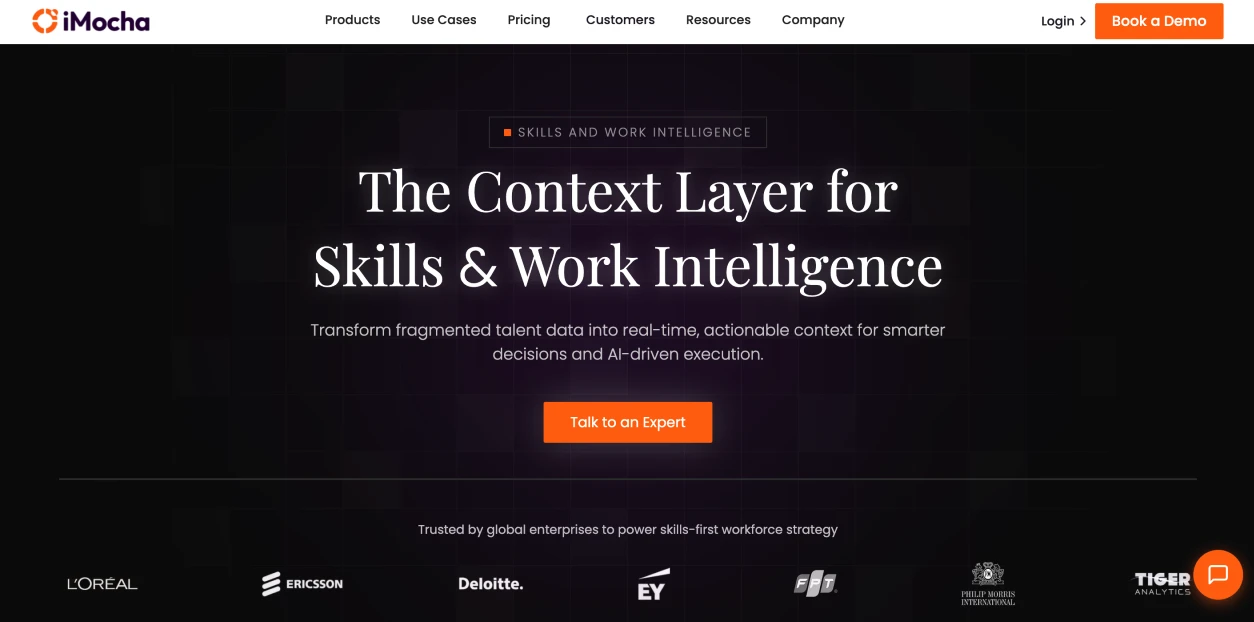
iMocha functions as a skills intelligence platform that verifies employee skills and establishes proficiency benchmarks, while its comprehensive assessments and analytical tools support talent management decisions.
Key Features:
- Career Pathing: Offers visual guides that help employees learn about required skills and build their career paths.
- Multi-Channel Skills Validation: Uses AI insights, assessments, and external data sources to create accurate skill profiles.
- Skills Taxonomy: Uses AI to create an organized framework that enables organizations to categorize skills by job role, duty requirements, and competency standards.
- Skills Assessment: Uses standardized tests to assess individual proficiency across technical, functional, and cognitive skill sets.
- Upskilling and Reskilling: Provides personalized learning pathways for users, helping them develop skills aligned with their current abilities and the organization's workforce development objectives.
- Workforce Planning: Uses predictive analytics to help organizations forecast talent needs, identify skill gaps, and align workforce skills with upcoming business requirements.
G2: 4.4/5 (276 reviews)
2. TechWolf
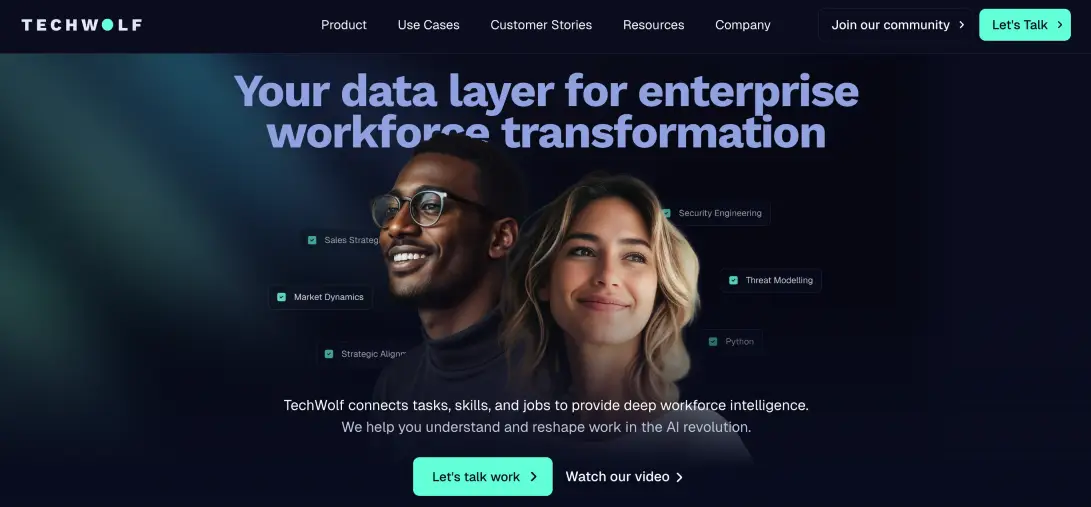
This AI-based platform uses real business performance data to discover, monitor, and assess employee capabilities. The system enables organizations to track their existing employee capabilities while reducing their reliance on self-reported skills.
Key Features:
- AI-Inferred Skill Mapping: Uses automated skill extraction to identify skills from various sources, including projects, documents, and systems.
- HR Tech Stack Integration: Integrates with Human Resource Information Systems (HRIS), Applicant Tracking System (ATS), and learning systems to create a centralized skills database that operates without disrupting current business operations.
- Workforce Intelligence Insights: Provides analytics that enable organizations to identify current and upcoming skill deficits, helping them make better decisions about hiring, workforce development, and employee mobility.
G2: NA
3. Nestor
Nestor manages talent through skills assessment, enabling HR leaders to discover employee abilities and use them for performance improvement, organizational growth, and employee mobility management.
Key Features:
- Career Pathing & Development: Delivers customized career development paths that match employees' abilities to specific job requirements, career advancement activities, and internal job openings.
- Skills Mapping & Taxonomy: Contains over 20,000 competencies, enabling organizations to create and display their employees' skill sets for strategic workforce planning.
- Talent Deployment Insights: Provides analytics tools that help organizations match employees' abilities to projects, job positions, and performance objectives.
G2: 4.9/5 (54 reviews)
4. AG5
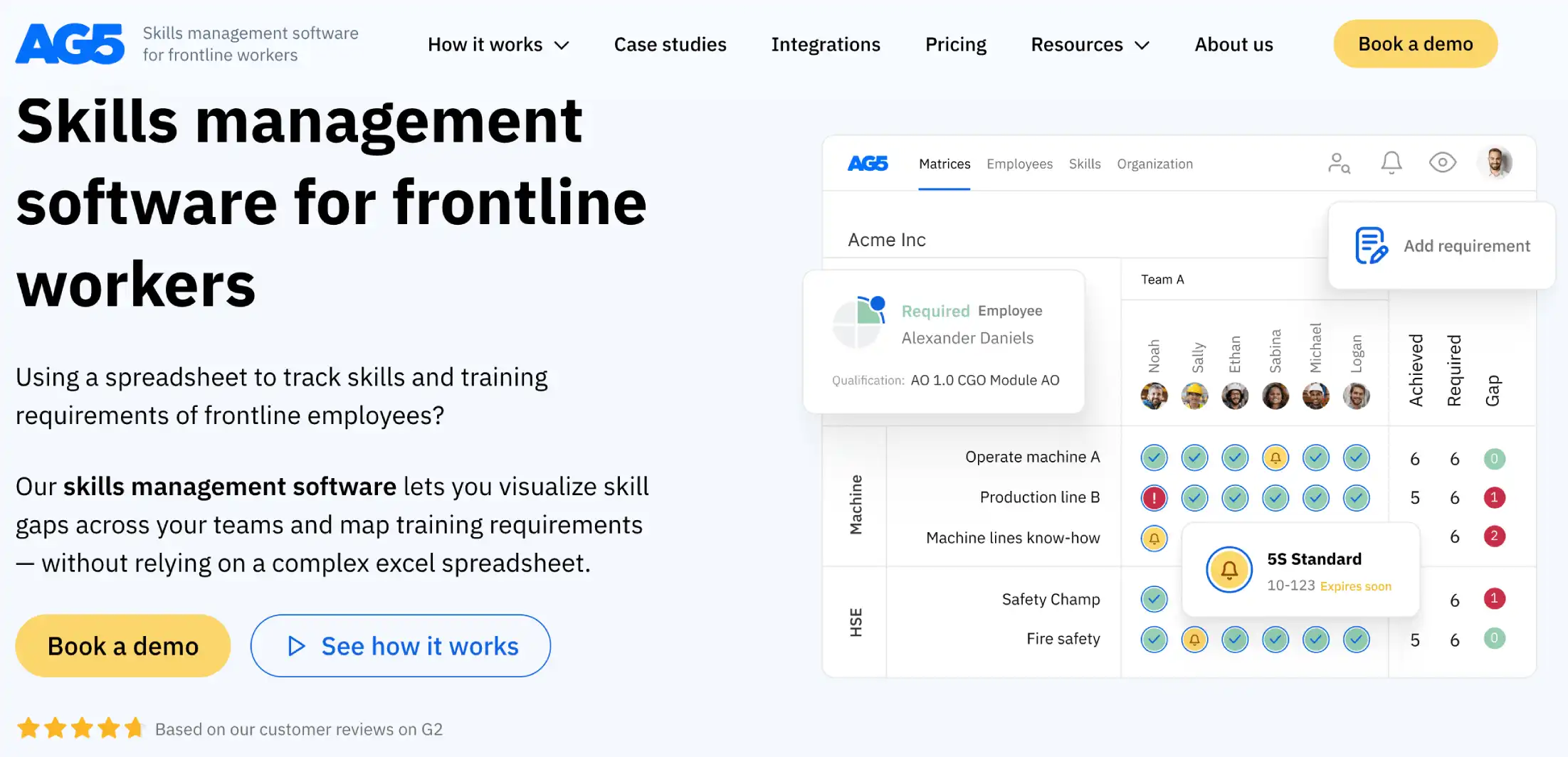
AG5 enables organizations to display their workforce skills, monitor employee credentials and training progress, and use real-time skills matrices to replace manual spreadsheet systems, improving operational planning and regulatory compliance.
Key Features:
- Integration With HR Systems: Provides a seamless connection to HR and learning systems, enabling organizations to unify their skills information for better planning while avoiding data storage issues.
- Real-Time Skills Matrices: Provides dynamic matrices that display employees' skills and competencies to managers, who can then use this information to identify skill gaps and make data-driven decisions.
- Training & Certification Tracking: Enables users to monitor their certification and training progress from a central location, receiving notifications about upcoming expiration dates and necessary compliance activities.
G2: 4.6/5 (66 reviews)
5. Visual Workforce
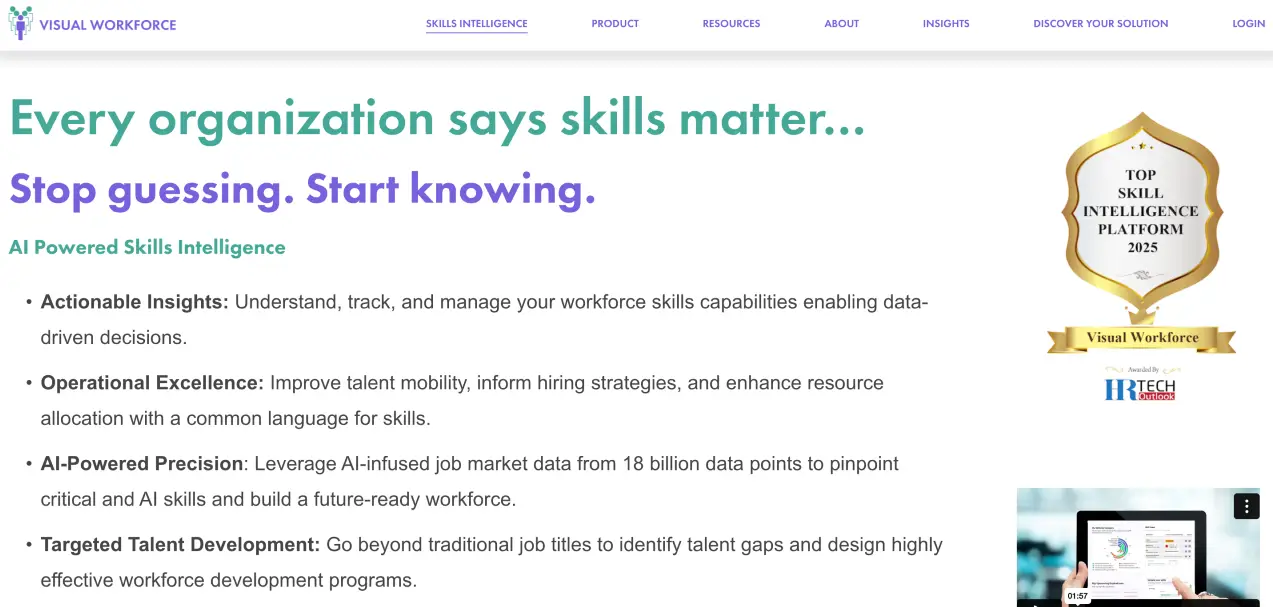
Visual Workforce uses skills intelligence to help HR departments evaluate and track employee development across their organizations. The system integrates multiple sources of skills information to enable organizations to make better talent choices and enhance their internal staffing processes.
Key Features:
- Skills Gap Analysis: Uses data insights to identify current and future skill gaps, helping HR establish development and hiring priorities.
- Talent Development Roadmaps: Creates customized learning paths and professional development routes, enabling employees to grow their skills and increase internal job mobility.
- Unified Skills Repository: Aggregates skills from HR systems, assessments, and performance data into a centralized and searchable database for clearer workforce visibility.
G2: 3.9/5 (5 reviews)
6. Fuel50
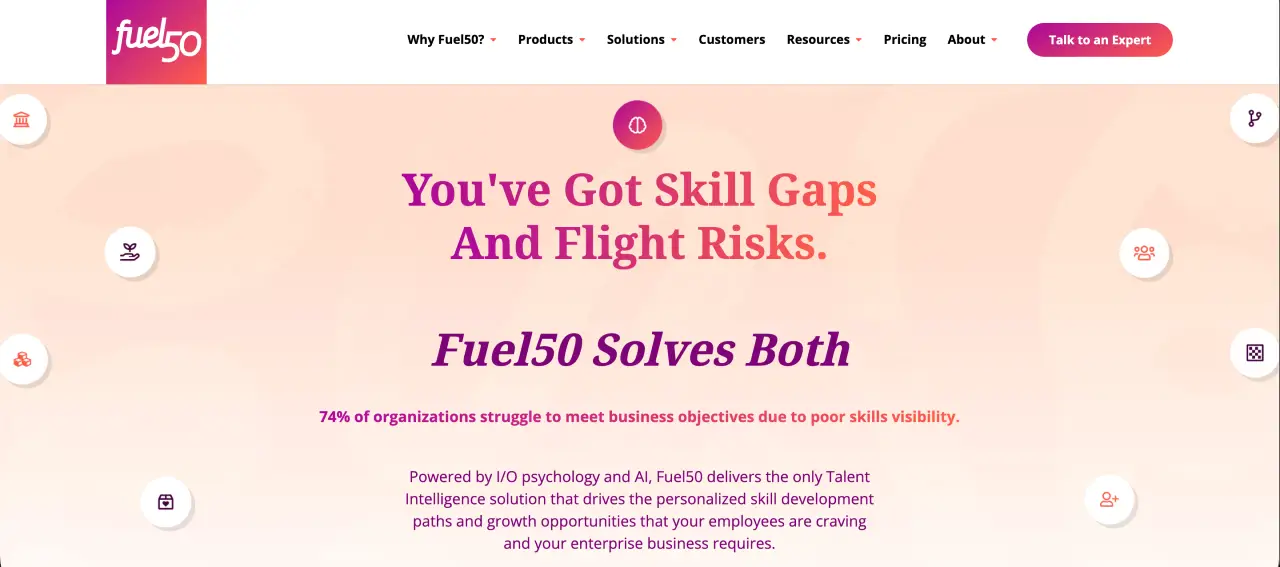
Fuel50 enables employees to create individualized career paths while accessing internal job openings, and helps organizations maintain their workforce flexibility. This AI-powered platform matches employees' skills with suitable job positions, enabling employee development and strategic workforce management.
Key Features:
- AI-Powered Career Pathing: Recommends personalized career pathways by matching skills, interests, and organizational roles to help employees grow internally.
- Internal Mobility Marketplace: Enables employees to discover available positions and projects, and to take on short-term assignments, helping the company retain its staff.
- Skills and Talent Analytics: Provides real-time analytics to help organizations understand their employees' competencies, skill deficiencies, and development requirements.
G2: 4.4/5 (20 reviews)
7. SkillPanel
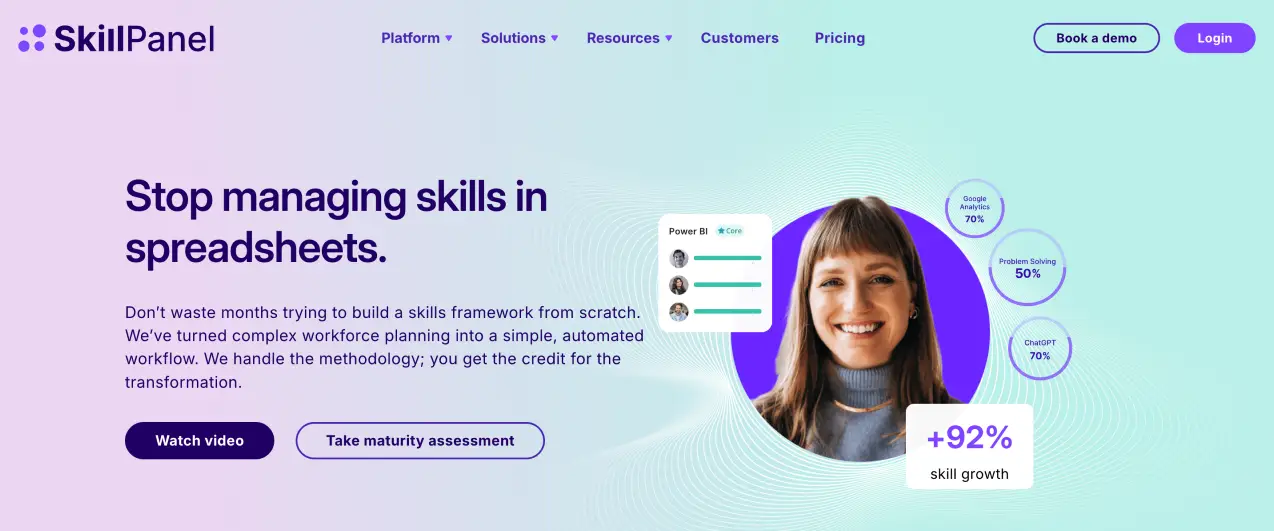
SkillPanel helps companies create assessments that evaluate and develop their workforce's skills. The system combines HR data to build an ongoing skills database that supports better talent management decisions, customized employee training programs, and enhanced team member movement within the organization.
Key Features:
- Adaptive Assessments: Provides customized skill assessments that adjust their difficulty based on test-taker proficiency, enabling a more accurate capabilities assessment.
- Skills Graph & Taxonomy: Develops an evolving, interconnected skills taxonomy that updates in response to employee skill development and organizational requirements.
- Talent Mobility Insights: Evaluates employee skills to identify suitable job positions and training programs that support their internal career development.
G2: 4.6/5 (146 reviews)
8. Skill Tree Consulting
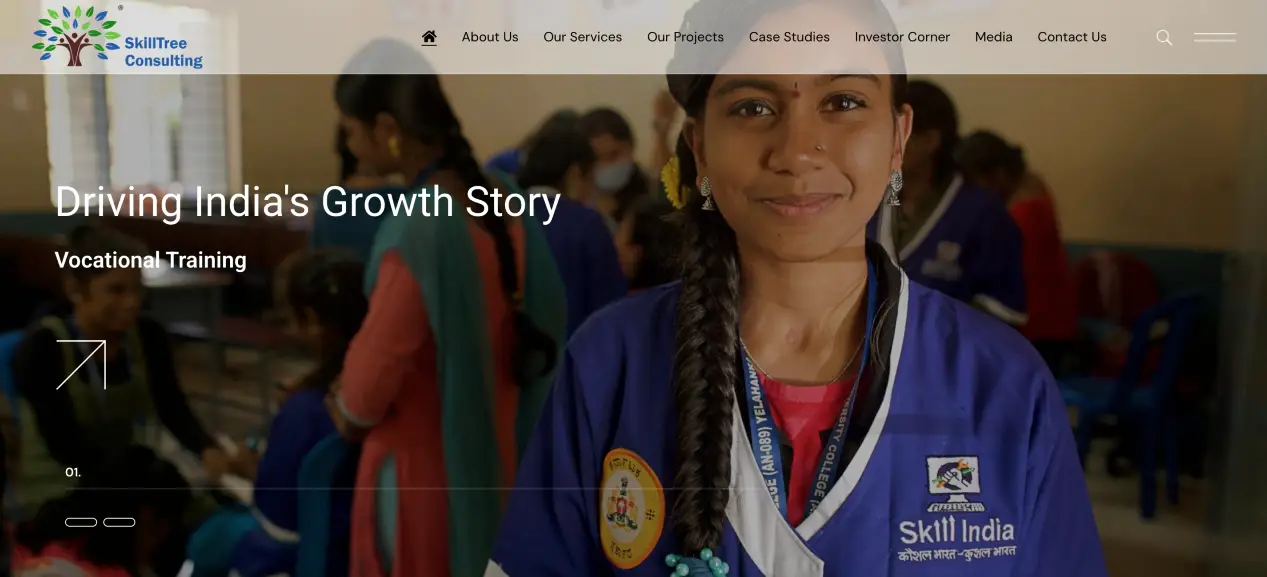
Skill Tree Consulting is focused on equipping youth and adults with industry-relevant competencies across sectors such as IT, healthcare, hospitality, retail, and automotive. It collaborates with government initiatives to deliver training, infrastructure setup, and employability support.
Key Features:
- Government Skill Partnerships: Works with government skill missions to implement recognized training frameworks and certification pathways.
- Technology & Infrastructure Setup: Establishes labs and training centers to support skill delivery and digital literacy across regions.
- Vocational Training Programs: Offers hands-on skill development across multiple industries to boost employability and practical job-readiness.
G2: 0/5 (0 reviews)
9. Metatalent.ai
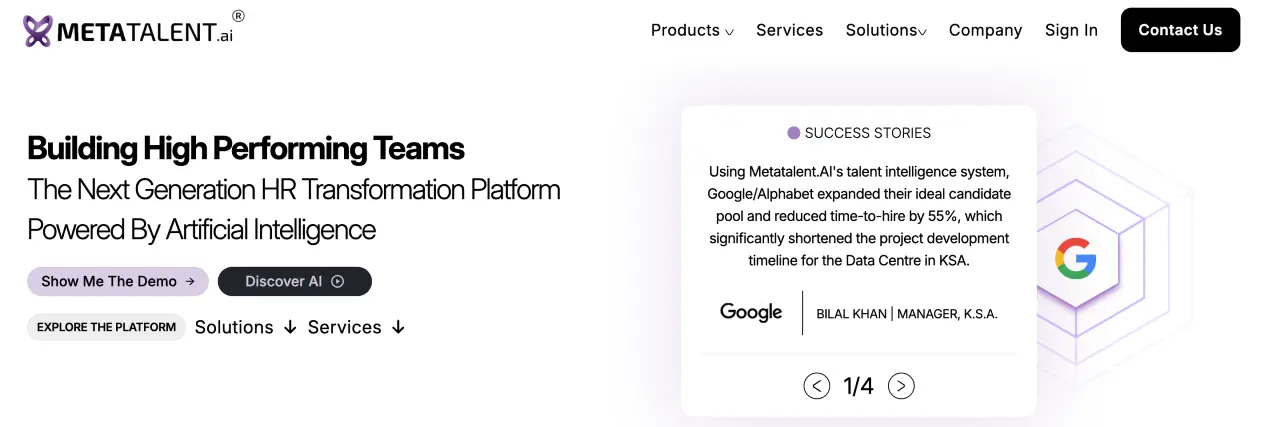
Metatalent.ai helps businesses hire, develop, and retain talent using data-driven insights and skills-based workforce strategies. The system enables organizations to build flexible teams through its AI-powered recruitment and talent development, workforce planning, and internal mobility capabilities.
Key Features:
- AI-Driven Talent Matching: Uses explainable AI to match candidates and internal employees to suitable roles based on their skills, competencies, and job requirements.
- Talent Development Paths: Provides workers with customized career advancement paths, including learning suggestions to help them develop new skills.
- Workforce Planning & Analytics: Provides organizations with talent forecasting capabilities, skill-gap identification tools, and workforce optimization solutions through its integrated analytics.
G2: NA
10. Phenom
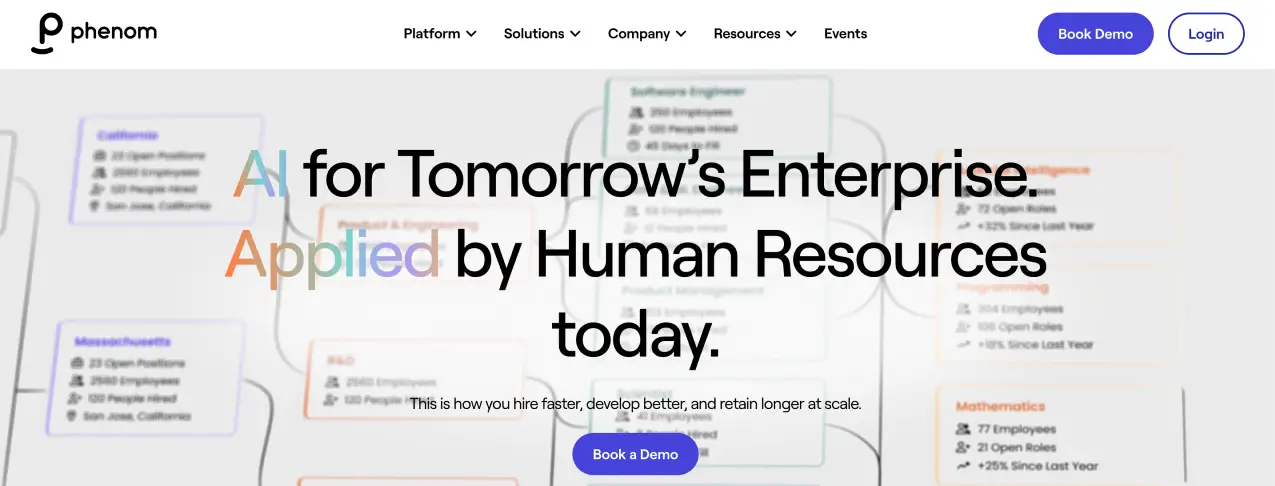
Phenom enables organizations to manage talent through personalized experiences for candidates and employees. The system functions as an integrated platform that combines talent acquisition with internal mobility, career pathing, and skills management functions to boost engagement and improve hiring outcomes.
Key Features:
- AI-Powered Talent Matching: Uses Machine Learning (ML) to match candidates and employees to job positions based on skills, work experience, and overall suitability.
- Personalized Career Pathing: Provides customized internal career development guidance, helping users achieve their professional goals and progress within the organization.
- Skills Management & Insights: Collects skill data to detect skill shortages, helping organizations develop strategies and workforce management plans.
G2: 4.3/5 (395 reviews)
Conclusion
Most Tilr competitors focus on skills visibility, talent marketplaces, or AI-driven skill mapping. iMocha stands apart with its AI-driven skills intelligence solution. The system goes beyond skill mapping by using standardized assessments that test technical skills, functional abilities, and cognitive competencies to verify them.
The AI-driven skills taxonomy system enables administrators to manage competence frameworks more efficiently, while its multi-channel validation maintains the ongoing accuracy of skills information.
For organizations seeking deeper validation, accurate benchmarking, and data-backed workforce planning in 2026, iMocha offers a more complete and reliable alternative to traditional platforms.
FAQs
What are the best alternatives to Tilr in 2026?
Some of the best alternatives to Tilr in 2026 include iMocha, TechWolf, Fuel50, Phenom, and AG5. These platforms provide skills intelligence, workforce analytics, career mobility, and talent planning systems.
Why should I consider iMocha as the best alternative to Tilr?
iMocha’s AI-powered skills intelligence system provides organizations with precise proficiency validation through standardized benchmarking, an AI-based taxonomy, and workforce planning insights, enabling HR professionals to make informed talent decisions.

