

Workforce capacity planning software helps organizations forecast workforce demand, optimize resource allocation, identify skill gaps, and ensure they have the right talent available to meet current and future business needs. These solutions provide visibility into workforce availability, skills, and capacity, enabling organizations to make informed workforce planning decisions.
While some workforce capacity planning tools focus on resource scheduling and forecasting, others offer advanced capabilities such as skills intelligence, workforce analytics, and strategic workforce planning. The right solution can help organizations improve workforce utilization, support internal mobility, and align talent strategies with business goals.
Benefits of Workforce Capacity Planning
- Improved Workforce Forecasting: Anticipate future workforce demand and identify potential staffing gaps before they impact business operations.
- Optimized Resource Allocation: Assign the right employees to the right projects based on availability, workload, and skills.
- Better Workforce Utilization: Reduce overstaffing and understaffing while maximizing workforce productivity and efficiency.
- Early Identification of Skill Gaps: Gain visibility into workforce capabilities and proactively plan hiring, upskilling, or reskilling initiatives.
- Enhanced Strategic Workforce Planning: Align workforce decisions with long-term business goals and changing workforce requirements.
- Data-Driven Decision Making: Leverage workforce analytics and reporting to support informed talent management and resource planning decisions.
To help you find the best fit for your organization, we've compiled a list of the top 10 workforce capacity planning software solutions, along with their key features
Top 10 Workforce Capacity Planning Software
1. iMocha
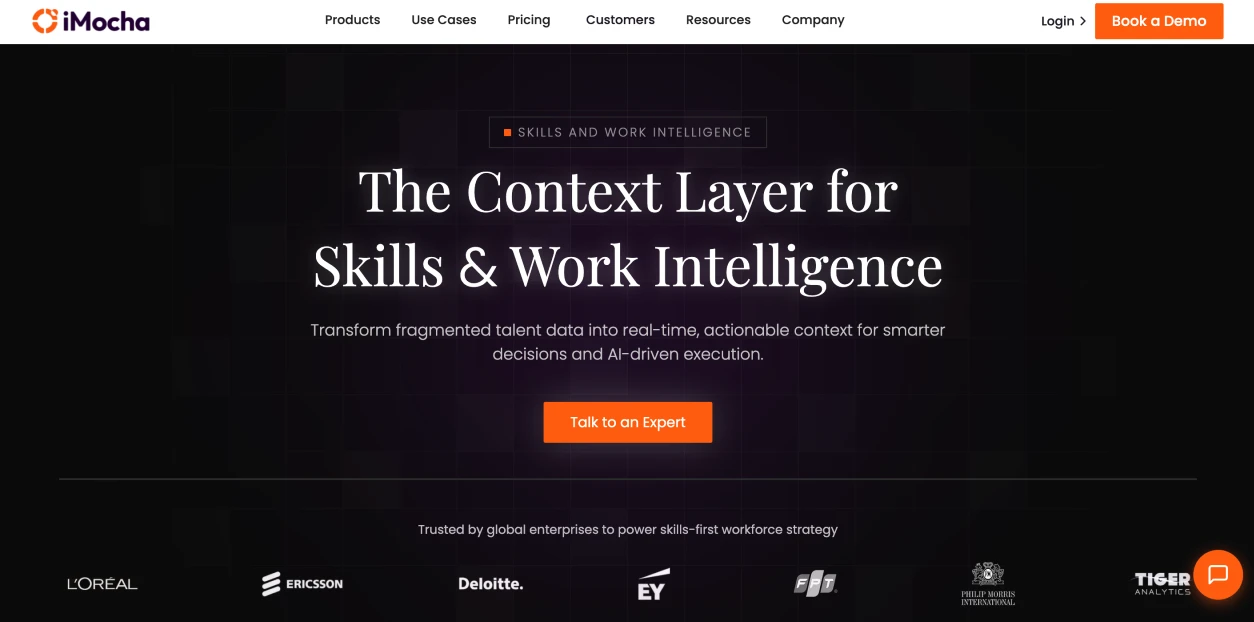
iMocha's Skills Intelligence Platform transforms workforce capacity planning by focusing on employee skills. This AI-powered platform offers comprehensive skill assessments, maintains an updated skills taxonomy, and forecasts future skill demands. It enables personalized learning, optimizes workforce deployment, and provides analytics for data-driven decisions.
It also helps organizations align capabilities with objectives, address skill gaps proactively, and develop targeted training. By shifting from a numbers-based approach to a skills-focused strategy, iMocha positions organizations for agility and success in today's dynamic business environment.
Key Features:
- Skills architecture and inventory: iMocha helps you create a detailed map of the skills present in your organization, giving you a clear picture of your current capabilities.
- Skills gap analysis: It identifies discrepancies between your current skill set and what's needed for future success, allowing you to plan proactively.
- Workforce deployment planning: It assists in aligning employees with project requirements based on their skill profiles, optimizing resource allocation.
- Targeted training program recommendations: By identifying skill gaps, it can suggest personalized training programs to upskill your workforce effectively.
- Integration with LMS: It integrates with systems like Degreed, providing an end-to-end solution for skill development.
Best For: Enterprises looking for skills-based workforce capacity planning, AI skill gap analysis, internal mobility, and workforce transformation initiatives.
Pricing: Visit iMocha’s pricing page here
G2 Rating: 4.4/5 (276 reviews)
2. Workday

Workday's workforce planning module, part of its comprehensive HCM suite, focuses on optimal workforce allocation. It features driver-based modeling and unlimited scenario planning, enabling organizations to make informed decisions about their workforce mix.
Key Features:
- Optimal workforce allocation: Workday helps ensure you have the right people in the right roles at the right time across your organization.
- Driver identification and adjustment: The platform allows you to track key drivers affecting workforce needs and adjust assumptions as needed.
- Scenario planning: Create unlimited driver-based scenarios to plan for various possible futures, enhancing your strategic flexibility.
- Integration with Workday HCM: Seamless integration with Workday's broader HCM system provides a holistic view of your workforce.
Best For: Large enterprises that want workforce planning tightly integrated with HR, finance, payroll, and talent management systems.
G2 Rating: 4.3/5 (307 reviews)
3. Saviom

Saviom offers a robust resource management solution with a strong focus on competency tracking and capacity planning. Its software maintains a centralized skills repository, enabling informed resource allocation. Saviom analyzes capacity versus demand across roles, departments, and locations, helping identify resource gaps or surpluses.
Key Features:
- Competency matrix: Maintain a centralized repository of resource skills and competencies, facilitating informed resource allocation decisions.
- Capacity management: Analyze capacity versus demand across various dimensions (role, department, location) to identify resource gaps or surpluses.
- Forecast pipeline projects: Plan workforce capacity proactively by considering projects in the approval stage.
- Resource utilization optimization: Track and optimize billable utilization of resources, enhancing overall productivity.
Best For: Organizations requiring advanced resource forecasting, capacity management, and enterprise-wide resource optimization across multiple departments.
G2 Rating: 4.5/5 (1 review)
4. Teamwork.com

Teamwork.com offers an intuitive resource management solution that streamlines workforce capacity planning. The platform provides clear visibility into resource availability and allocation across projects, allowing managers to quickly identify who is working on what and who has capacity for new tasks.
Key Feature
- Full visibility into resource availability: Quickly understand who is working on what and who has capacity for new tasks.
- Adaptable resource allocation: Easily adjust allocations in response to changing project needs or team member availability.
- Multi-project management: Get a big-picture overview of resource allocation across multiple projects.
- Project estimating: Use resource tracking data to improve project estimates and resource planning.
Best For: Agencies, client-service businesses, and project-based teams needing visibility into resource allocation across multiple projects.
G2 Rating: 4.4/5 (1,214 reviews)
5. Avercast

Comprehensive Planning and Forecasting Suite Avercast offers a suite of tools for demand planning, supply planning, and business intelligence, making it a robust option for workforce capacity planning.
Key Features:
- Demand forecasting: Use historical data and market trends to predict future workforce requirements.
- Skill inventory management: Assess and track the current skill sets within your workforce.
- Talent pipeline development: Create strategies for attracting, retaining, and developing talent.
- Resource allocation optimization: Optimize the distribution of resources to meet demand while minimizing costs.
- Performance metric tracking: Establish and monitor KPIs to gauge the effectiveness of your workforce planning efforts.
Best For: Organizations focused on demand forecasting, workforce forecasting, and long-term operational planning.
G2 Rating: NA
6. Resource Guru

Resource Guru streamlines workforce capacity planning through intuitive resource scheduling and management. This user-friendly platform offers clear visibility into team availability, facilitating efficient task allocation across projects. It integrates leave management, simplifying capacity forecasting, and provides project scheduling tools to optimize resource utilization.
Key Features:
- Intuitive resource scheduling: Easily manage and visualize resource schedules across projects and teams.
- Leave management integration: Factor in leave time when planning resource capacity.
- Project forecasting reports: Generate reports to understand future resource requirements.
- Approval workflow: Streamline the process of requesting and approving resource allocations.
Best For: Small and mid-sized businesses looking for simple resource scheduling, team availability tracking, and workload management.
G2 Rating: 4.6/5 (486 reviews)
7. Teamdeck

Teamdeck offers a comprehensive team management solution for effective workforce capacity planning. It combines resource scheduling, time tracking, and leave management in one intuitive platform. Teamdeck enables managers to visualize team workloads, balance assignments, and forecast resource needs across projects. Its key features include:
- Task planning and prioritization: Efficiently assign and manage tasks across your team.
- Calendar management: Organize schedules and work timelines in an easy-to-understand format.
- Project tracking: Monitor progress, time spent, and completion rates of projects.
- Team collaboration tools: Facilitate seamless communication among team members.
Best For: Software development teams, creative agencies, and project-driven organizations managing scheduling, time tracking, and team utilization.
G2 Rating: 4.7/5 (16 reviews)
Check out top 16 workforce planning software that streamline capacity planning with skills-first insights.
8. Runn

Runn offers a visually-driven approach to workforce capacity planning platforms. This software provides intuitive tools for resource scheduling, workload visualization, and long-term capacity planning. Runn also allows teams to tag members with skills and attributes, enabling efficient resource allocation.
Key Features:
- Workload visualization: Get a clear, visual representation of your team's workload over time.
- Long-term capacity planning: Visualize resource utilization trends over extended periods.
- Skill and attribute tagging: Organize and filter your workforce based on skills, locations, and other attributes.
- Placeholder allocations: Use hypothetical resource allocations to inform hiring decisions.
Best For: Professional services firms and project-based organizations that need visual resource planning and long-term capacity forecasting.
G2 Rating: 4.5/5 (1 review)
9. Kantata

Kantata offers a specialized resource management solution tailored for professional services organizations. Its platform streamlines workforce capacity planning through advanced resource forecasting and allocation tools. It enables organizations to align project requirements with available skills, optimizing staffing decisions and utilization rates.
Key Features:
- Resource forecasting and capacity planning: Plan for future resource needs based on your project pipeline.
- Skills inventory management: Align project requirements with available skills for optimal staffing.
- Talent network management: Easily incorporate both internal and external resources in your planning.
Best For: Professional services organizations requiring advanced resource planning, project staffing, and utilization management.
G2 Rating: 4.2/5 (1,512 reviews)
10. Cube Software

Cube Software enhances workforce capacity planning through its financial planning and analysis approach. This platform centralizes workforce data management, aligning it with business operations for streamlined planning.
Key Features:
- Centralized data management: Automatically structure workforce data to align with your business operations.
- Advanced reporting and analytics: Generate ad-hoc reports, perform variance analysis, and create insightful dashboards.
- Integration capabilities: Connect and map data from various sources like ERP, CRM, and HRIS systems.
Best For: Finance and workforce planning teams that need to align headcount planning, budgeting, and workforce capacity management.
G2 Rating: 4/5 (307 reviews)
Check out the top 8 workforce forecasting software to align capacity planning with future talent demand and business strategy.
How to Choose the Right Workforce Capacity Planning Software
When selecting workforce capacity planning software, consider the following factors:
- Workforce forecasting capabilities: Choose a solution that helps predict future workforce demand and identify potential staffing gaps.
- Skills visibility and intelligence: Look for tools that provide insights into employee skills, competencies, and workforce readiness.
- Resource allocation and utilization: The software should help optimize resource deployment, balance workloads, and improve productivity.
- Reporting and analytics: Advanced reporting and workforce analytics can support data-driven decision-making.
- Integration capabilities: Ensure the platform integrates seamlessly with your HRIS, HCM, LMS, ERP, and project management tools.
- Scalability and ease of use: Select a solution that can grow with your organization while remaining user-friendly for administrators and employees.
Why Skills Intelligence Matters in Workforce Capacity Planning
Effective workforce capacity planning goes beyond understanding employee availability. It also requires visibility into workforce capabilities. Skills intelligence helps organizations identify existing skills, uncover skill gaps, and gain a clearer understanding of workforce readiness. This allows leaders to align talent with current and future business needs more effectively.
By combining workforce capacity planning with skills intelligence, organizations can make more informed hiring, upskilling, and resource allocation decisions. It also supports internal mobility initiatives, improves workforce agility, and helps build a future-ready workforce that can adapt to evolving business demands.
Conclusion
Selecting the right Workforce capacity planning tool is a crucial decision that can significantly impact your organization's ability to meet its talent needs. While there are many capable solutions on the market, consider prioritizing those that offer a skills intelligence approach, as this can provide a more comprehensive and forward-looking view of your workforce capacity.
Remember, the best solution for your organization will depend on your specific needs, existing systems, and long-term talent strategy. Request demos or trials before making your final decision.
FAQs
1. What are the key features of workforce capacity planning software?
Common features include workforce forecasting, resource allocation, skills tracking, capacity management, workforce analytics, scenario planning, reporting dashboards, and integrations with HR and project management systems.
2. What is the difference between workforce planning and workforce capacity planning?
Workforce planning focuses on long-term talent strategies, including hiring, succession planning, and workforce development. Workforce capacity planning focuses on ensuring the organization has sufficient workforce availability and skills to meet current and future workload demands.
3. Can workforce capacity planning software identify skill gaps?
Yes. Many modern workforce capacity planning solutions include skills intelligence and workforce analytics capabilities that help organizations identify skill gaps, assess workforce readiness, and support upskilling initiatives.
4. What integrations should workforce capacity planning software support?
Organizations should look for integrations with HRIS, HCM, LMS, ERP, ATS, project management, and collaboration tools to ensure seamless workforce planning and data sharing.
5. What is the difference between workforce capacity planning software and resource management software?
Workforce capacity planning software focuses on forecasting workforce demand, workforce availability, and skills requirements. Resource management software primarily focuses on scheduling, workload balancing, and project resource allocation.

